



Local
CTUSAB Issues Urgent Call for Action on Workers’ Conditions, National Security & Crime
By Deanzer Roberts
Amid rising national concerns about crime, social stability, and worker welfare, the Congress of Trade Unions and Staff Associations of Barbados (CTUSAB) is calling on the Government of Barbados to urgently and decisively address several critical issues affecting the nation’s protective services, nurses, teachers, and wider society.
At a press conference held yesterday, CTUSAB outlined a broad agenda of concerns ranging from deteriorating working conditions for frontline workers to the surging wave of violent crime threatening public safety.
Improved Conditions of Service for Protective Services and Nurses
CTUSAB urged the government to implement long-overdue reforms to improve the welfare of fire officers, prison officers, police officers, and nurses—groups described as “pillars of Barbados’ social stability and security.” These workers, the Congress emphasized, continue to face unacceptable hardships including chronic understaffing, burnout, outdated equipment, and inadequate healthcare protection.
Among CTUSAB’s key demands are:
- Comprehensive Medical Insurance tailored to the physical and psychological risks faced by these professionals.
- Fair and Targeted Allowances reflecting the unique duties and hazards associated with each profession.
- Review of the Retirement Age to better align with the physically demanding nature of their work.
- Equitable Implementation Across All Services, highlighting the imbalance in recent advancements made for police officers while neglecting other sectors.
- Fulfilment of Non-Financial Agreements, including commitments made in past salary negotiations.
The Congress insists that improving these conditions is not only a moral obligation but a social and economic necessity that would enhance worker morale, retention, and service quality.
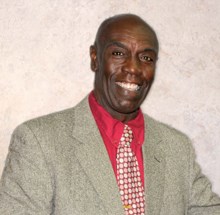
CTUSAB’s General Secretary, Dennis de Peiza, painted a sobering picture of Barbados’ current crime situation, declaring that the “escalating crime and violence have reached unprecedented proportions.” With 27 murders recorded in as many weeks in 2025—many linked to gun violence—the organization warned that immediate and strategic intervention is needed to avoid national destabilization.
The Congress applauded the efforts of the Barbados Police Service but highlighted systemic problems, including:
- Police burnout due to extended hours and no leave.
- A lack of resources and modern crime-fighting tools.
- The influx of illegal high-powered firearms.
CTUSAB called on the Government to seek international policing assistance to trace the origin of illegal weapons entering the island and demanded compliance with labor laws, including fair compensation for officers working overtime during this crisis.
In a bold recommendation, the organization urged the repeal of certain provisions of the Bail Act, particularly those allowing bail for individuals charged with murder or possession of illegal firearms. This, CTUSAB contends, would send a strong message that crime will not be tolerated.
Breakdown in Schools and Call for Teacher Protection
The Congress also highlighted the deepening crisis in the education system, where rising student indiscipline and violence are placing teachers at physical and emotional risk.
“Teachers have become victims of verbal and physical assaults by students and parents,” said de Peiza. “They are forced to carry out their duties in fear.”
CTUSAB linked this indiscipline to broader societal issues, including a decline in moral values due to the absence of religious instruction, a school culture that limits teacher authority, and rising substance abuse among students.
As a result, the Congress is expanding its earlier call for personal accident insurance beyond protective services and nurses to now include teachers, citing their daily exposure to potential harm.
Views on Proposed Wiretapping and Lie Detector Laws
CTUSAB also weighed in on the government’s proposal to introduce wiretapping legislation and polygraph testing for individuals in sensitive national security roles.
While the organization expressed cautious support for wiretapping, it emphasized the need for:
Judicial oversight and court-approved warrants,
Management exclusively by the Royal Barbados Police Service, and
Protection against political interference and abuse of power.
On the matter of polygraph testing, CTUSAB voiced strong reservations, citing the unreliability of such tests and their controversial status within the scientific and legal communities. The organization insisted polygraphs be used sparingly and only in cases where national security is genuinely at stake.
Most notably, CTUSAB criticized the Government for failing to implement long-promised integrity legislation for public officials, arguing that no surveillance law should be enacted without first ensuring political transparency and accountability.
The press briefing ended with a call for a holistic approach to solving Barbados’ societal problems, one that prioritizes worker protection, public safety, educational reform, and national unity.
“The time for talking is over,” said de Peiza. “We are calling on the Government to demonstrate genuine commitment and leadership in these critical areas. The future of our country depends on it.”